 COVID STATUS
Lifting Industry Courses
Rigging, Lifting & Slinging operations on Oil and Gas, Construction andEngineering sites are carried out worldwide on a daily basis.
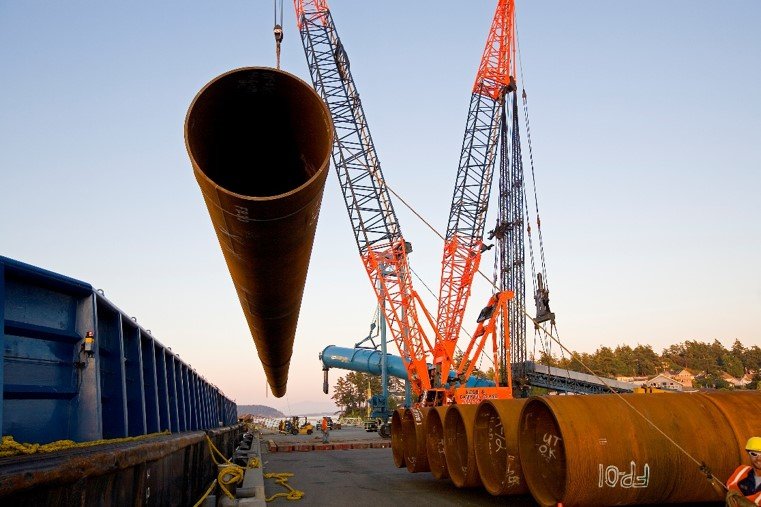
Rigger Basic ,Intermediate & Advance Level Course
Rigging, Lifting & Slinging operations on Oil and Gas, Construction andEngineering sites are carried out worldwide on a daily basis. Unfortunately,the results when things go wrong can be both dangerous and catastrophicto lives and equipment. This course will enhance the skills of personnel whoperform Rigging, Lifting & Slinging activities using Lifting Equipment and Lifting Accessories to the recognized industry standards, including the current Rigging/ Moving Loads Regulations and legislation. This course will promote the best industry practice in Rigging, Slinging & Lifting methodology and Inspection of Equipment and work to the requirements of safe use of lifting equipment. Depending on the client requirements we offer a wide variety of Rigging, Lifting & Slinging courses to suit all levels of experience and knowledge such as Basic Rigging & Lifting, Banks-man-Slinger Training Course Basic, and Intermediate and Advance level courses.
1.BASIC RIGGER
• Safely uses and recognizes the limitations of chain, synthetic, metal mesh, and wire rope slings as well as specific rigging hardware to include: hooks and similar attaching devices, shackles, wire rope clips, clamps, eyebolts, softeners, and taglines.
• Identifies common load configurations and positioning.
• Demonstrates specific knowledge of crane operations including voice and radio communications (as defined in ASME B30.2, ASME B30.3, ASME B30.5, and ASME B30.6), personal fall protection methods, emergency procedures, and hazards and restrictions with working in proximity to overhead electric lines and equipment.
2.INTERMEDIATE RIGGER
In addition to being knowledgeable in all Basic Rigger tasks, the Intermediate Rigger must also:
• Demonstrate intermediate level of proficiency in all the rigger tasks.
• Perform specific rigging operations using come-along and chain hoists, reeving, rigging hitches and knots, anchor points, synthetic ropes, wire ropes, chains, spreader bars and equalizing beams, synthetic slings, lifting points, dollies, trollies, winches, bars and levers, rigging jacks, links and rings, plate clamps, and cable dogs/grips.
• Be proficient in load dynamics and load weight estimation or determination as they relate to the rigging operation.
• Calculate equipment capacities, and applies D/d ratios, vectors, angles, boom angles and load radius as they relate to lifting and/or rigging operations.
3.ADVANCED RIGGER
In addition to being knowledgeable in all Basic and Intermediate Rigger tasks, the Advanced Rigger must also:• Demonstrate advanced level of proficiency in all the rigger tasks.
• Perform specific rigging operations as they relate to blind hoists, traveling with a load, working in close quarters, and lift procedures for personnel.
• Apply specific rigging criteria from the manufacturer or equipment representative to the safe and appropriate methods of erection, dismantling, jumping, and reconfiguring of cranes.
• Apply specific rigging criteria for lifting a single load with multiple cranes.
• Identify and interpret load indicator and safety devices, capacity or load charts, specific mechanical advantages, the centre of gravity as it relates to the rigging operation, as well as the effects of angles or indirect pulling in the rigging operation.
• Be proficient in the direction of single, multiple specialized lifts.
• Be knowledgeable and can demonstrate proficiency in the design, documentation, and implementation of lift planning.
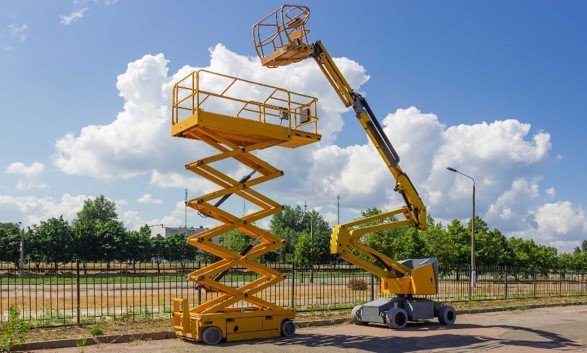
MEWP Inspection Technique
The aim of the course is to give participants Techniques and knowledge to inspect a MEWP thoroughly with different types of Inspection Terminology. Referring to international standards, Rejection criteria of MEWP This course is designed for experienced Inspectors who examine the MEWP
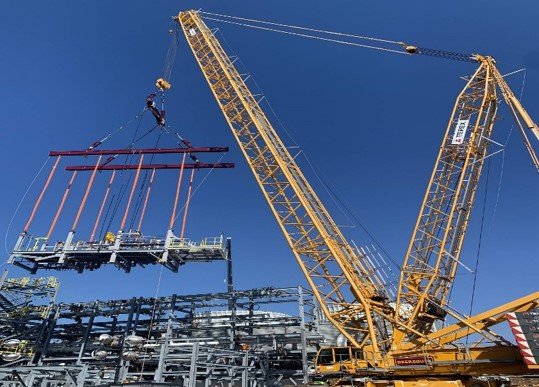
Rigging & Lifting
IQ-OHS designed this Training to give knowledge to those people who are doing lifting activities Carry out basic calculation of angles and tension. Define lifting operation and equipment terminology. Identify common unsafe practices and probable consequences. Identify safe and correct use and pre-use examination of rigging and lifting equipment.
Construction Equipment
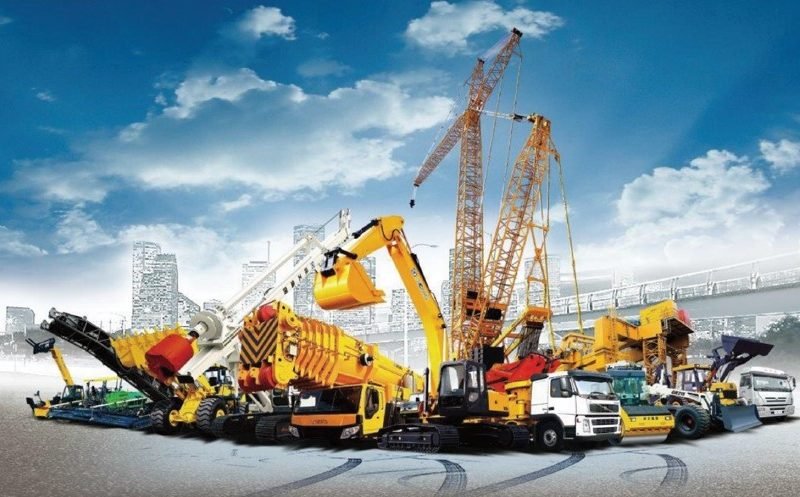
This 6-hour Guardian Fall Protection Competent Equipment Inspector Training course is designed for those individuals who will be responsible for inspection and documentation of all construction equipment on either a jobsite, department, or organization, whether Construction (OSHA 1926), General Industry (OSHA 1910), Maritime (OSHA 1915, 18) or other regulations. This training is useful for environments that have repair centres or “tool rooms” that issue the equipment to projects or personnel, or the Competent Person looking to fine tune their inspection knowledge and techniques.
IQ-OHS Training include with detailed information of construction equipment special techniques for inspection, It focuses on understanding the requirements, frequency, Standards, Acceptance and rejection criteria and significance of the proper inspection and documentation of equipment to ensure both worker safety and regulatory compliance.